
Built for no-signal country
The Drover app keeps working when you're out of range and syncs once you're back in coverage.
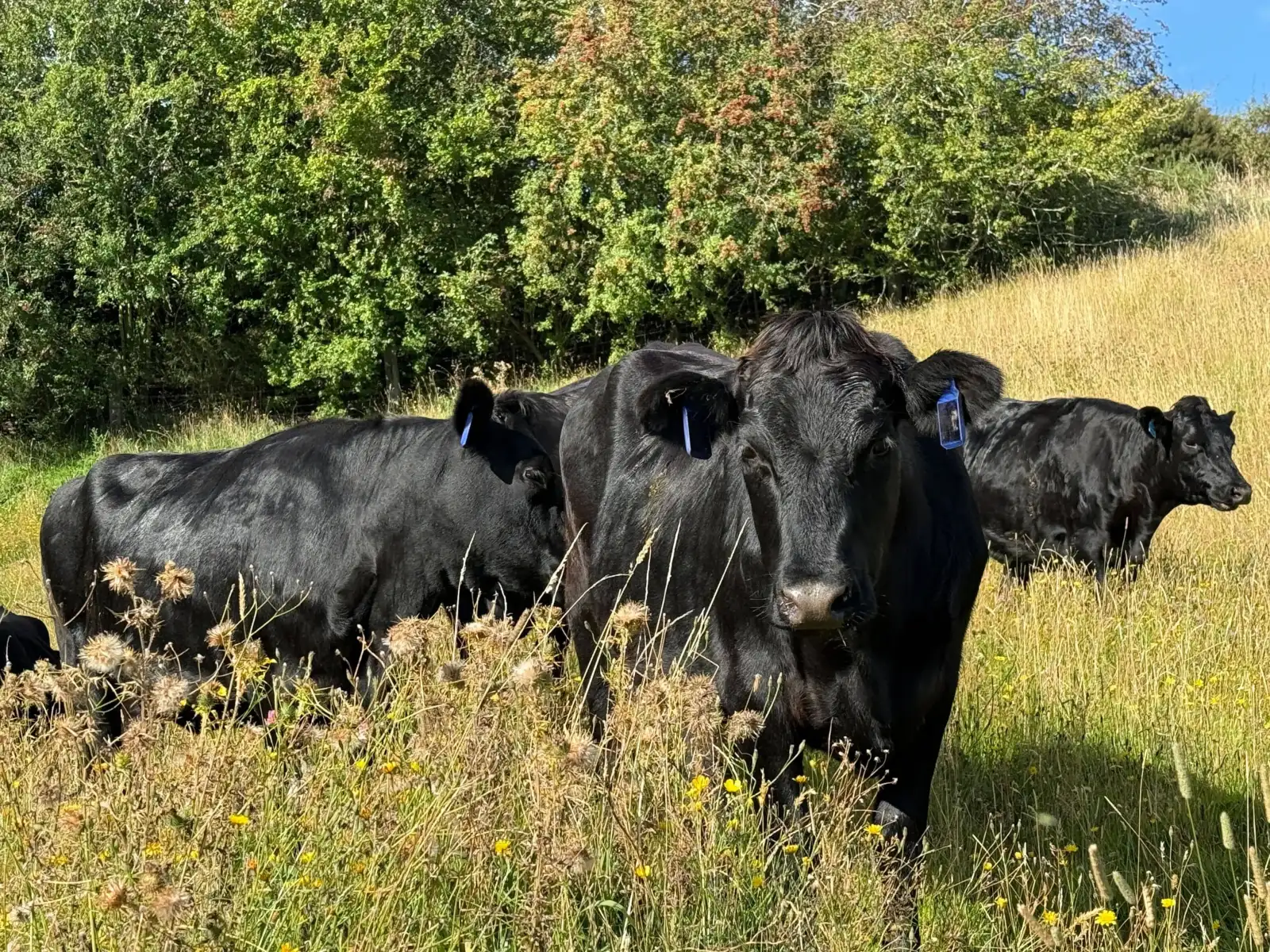
How Drover works
No base stations, no collars, no batteries to change. Just tags, an app, and a herd that moves when you do.
How it works
Drover tags hold cattle inside a virtual paddock, then guide them to the next one when you're ready.
Virtual paddockScheduledBoundary fenceEMS cue
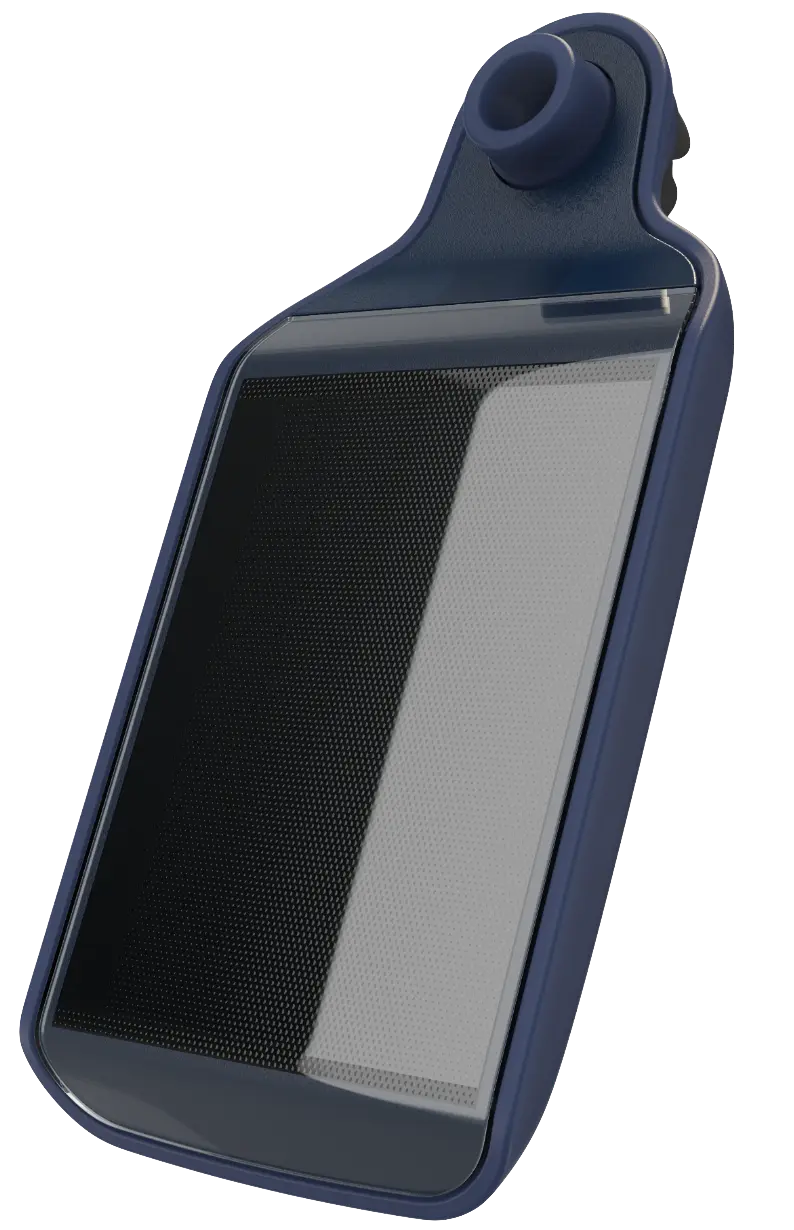
No expensive base stations or infrastructure needed. Tag the herd and you're fencing.
EMS runs at 6–80V instead of the 3,000–5,000V of shock collars, using less than 0.1% of the energy.
Built-in solar panels mean no changing batteries across the season.
Familiar and easy to place, with no resizing as cattle grow — unlike collars.
Electrical Muscle Stimulation
Replaces electric shock with muscle contractions.
At Drover, we have developed an alternative to the high-voltage electric shocks used in traditional virtual fencing. While traditional shock is a proven deterrent, it lacks the nuance required for precise cattle management and faces increasing scrutiny regarding its social license. By shifting the focus from a pain-based response to Electrical Muscle Stimulation (EMS), we have created a system grounded in the same principles used in human physical therapy and veterinary medicine for decades.
EMS works by sending controlled electrical signals that mimic the natural impulses the brain sends to the muscles. Unlike a static shock, these signals are highly adjustable. They can range from a light "tapping" sensation to a controlled, involuntary muscle contraction. Because these physical responses occur at low voltages (typically between 6V and 80V as opposed to 3,000–5,000V) the system uses less than 0.1% of the joules used in electric shock collars on the market.
Ultimately, EMS moves virtual fencing beyond simple containment and into active guidance. By applying independent sensations to each ear, the system acts like "digital reins," providing the tactile cues needed to steer an animal in a specific direction. This allows ranchers to muster and manage their herd with a refined, physiological signal rather than a blunt deterrent.
6–80V
EMS operating range
3,000V+
Typical shock collar
<0.1%
Of the energy of a shock collar
Getting started is easy
Drover tags go on like the maxi tags you already use. No collars to fit, no towers to build.
Sketch boundaries on a satellite map in the Drover app. Move a fence line in seconds instead of days.
Schedule moves ahead of time. Tags guide the herd to fresh grass with gentle, directional cues.
The Drover app keeps working when you're out of range and syncs once you're back in coverage.
Line up the next rotation from the kitchen table. Your herd shifts on schedule.
Got questions?
Can't find what you're looking for? Write us at support@getdrover.com.
Drover is currently in manufacturing and launches in Texas in early 2027. From there we'll roll out across the rest of the US, Australia and New Zealand over the following one to two years. Before launch, we're trialling on working ranches. Join our mailing list to be among the first in your area when Drover arrives.
Ear tags are simpler to manage than collars. Because they don't require resizing as the animal grows, they offer a low-maintenance solution that fits into existing ranching workflows.
Drover uses EMS technology to guide cattle through muscle contractions, similar to reins on a horse. This is significantly less than the 3,000V+ required for shock collars and uses only around 0.02% of the energy. We are overseen by veterinarians and animal welfare experts, and animal welfare is a top priority in what we do.
Yes. Drover tags have been tested extensively in tough conditions and with tough cattle. The EMS technology provides reliable directional control even in difficult terrain and across all types of cattle.
While still in manufacturing, we have yet to release pricing. When we do, it will be easy to find — no 'call for a quote' process.
The tags are roughly the size of a maxi tag. While weight has not been finalized, it is within the researched acceptable range.
Launching in Texas, early 2027
Leave your details and we'll send you email updates as we get closer to launch.